
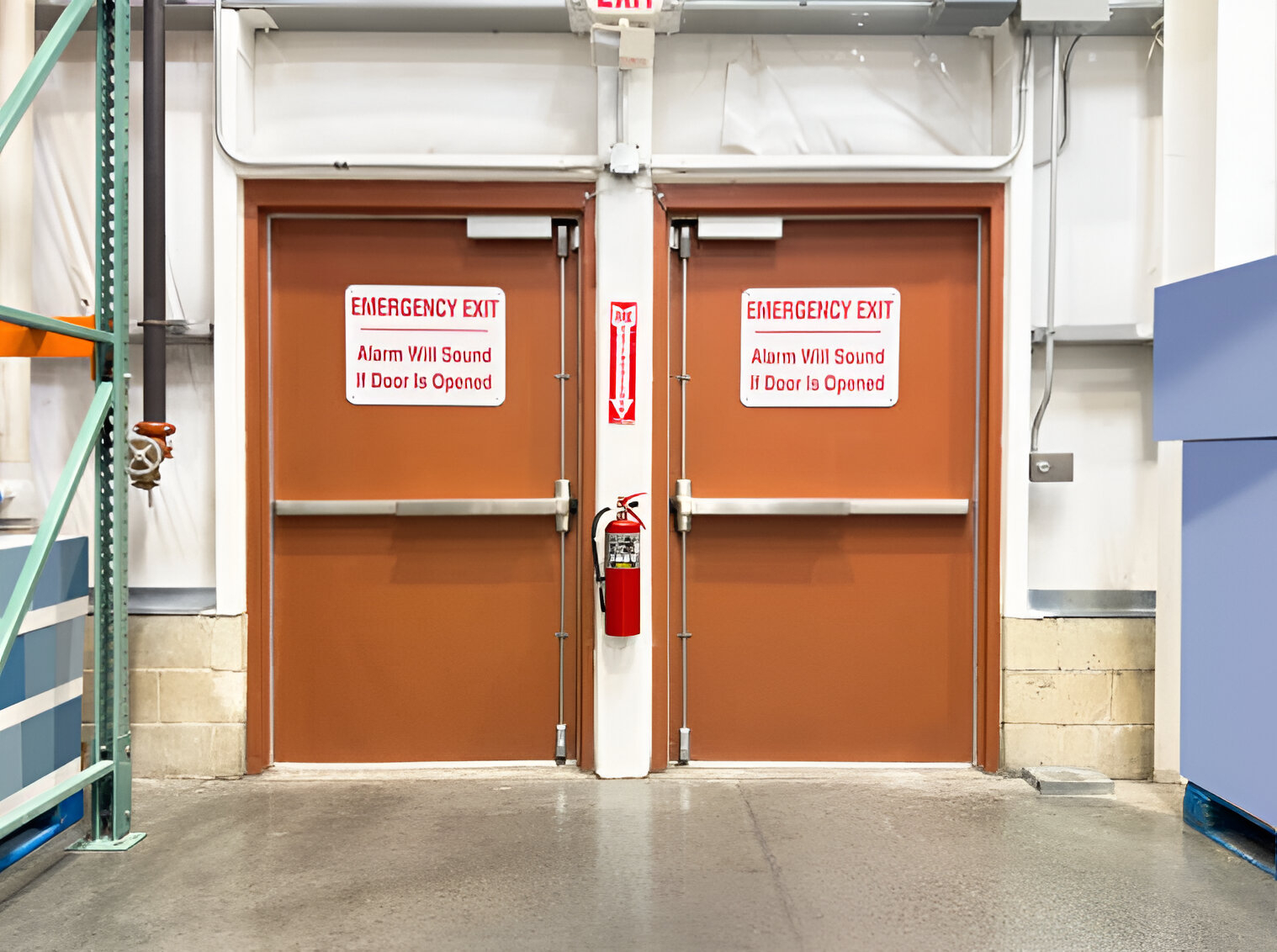
If you work in construction, property maintenance, or strata management, fire safety isn’t optional. It’s a legal and structural requirement. One of the most important components of a building’s fire protection system is the fire door. But what are fire doors? And why are they essential for residential and commercial buildings across Sydney?
Fire doors are specially designed and certified doorsets that help contain fire, smoke, and heat for a minimum period. Their purpose is not just to protect property, but to give occupants more time to escape. For builders, facility managers, and strata teams, understanding how they work and what’s required for compliance is essential.
This guide breaks down everything you need to know about fire doors, how they’re made, where they must be installed, and how a professional fire door manufacturer ensures long-term safety and compliance.
Understanding Their Purpose and Construction
So, what are fire doors? A fire door is a specially constructed doorset designed to prevent the spread of fire and smoke between compartments within a building. It is made from fire-resistant materials and must be installed with certified frames, seals, hardware, and signage.
Key components include:
Fire-Resistant Core
Most modern fire doors use a refractory core such as vermiculite or mineral board, engineered to withstand high temperatures without failing.
Certified Door Frame
A fire door must be installed within a matching, tested, and approved door frame; otherwise, the doorset cannot achieve its rating.
Intumescent & Smoke Seals
When exposed to heat, intumescent seals expand, blocking gaps around the door and helping contain smoke and flames.
Fire-Rated Hardware
Hinges, closers, locks, and latches must be certified under AS 1905.1 and AS 1530.4.
Together, these components create a tested fire-resisting system that protects escape routes and slows down the spread of fire.
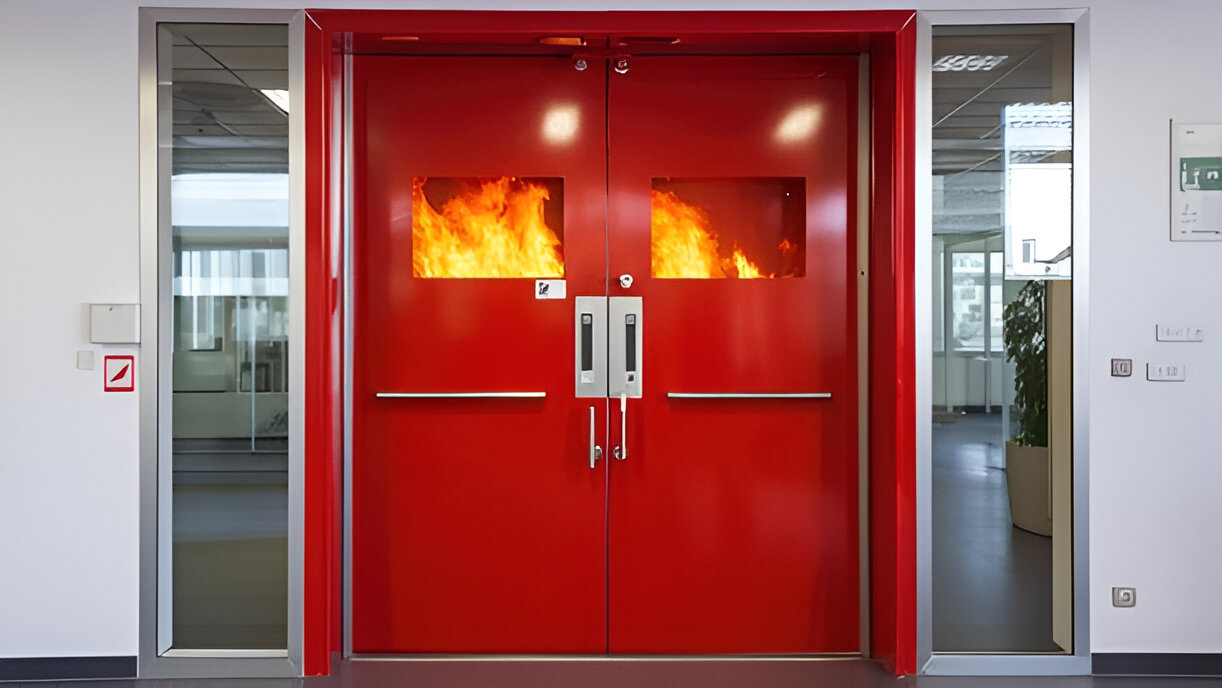
When and Where Are Fire Doors Required?
Sydney buildings, especially multi-residential, commercial, and public-use structures, must follow strict fire safety codes. Fire doors are required in:
- Fire-isolated stairwells
- Lift lobbies
- Corridor fire exits
- Plant rooms and service risers
- Car park entries
- Storage rooms
- High-risk zones, such as switch rooms
Builders and strata managers must ensure that every fire door is properly installed, tagged, documented, and inspected regularly.
Why Proper Fire Door Installation Matters
Even the highest-quality doorset will fail if it is not fitted properly. A professional fire door manufacturer ensures:
Correct Clearances
Under AS 1905.1, gaps around the door must not exceed 3 mm. Incorrect gaps = non-compliance.
Compatible Hardware
Only certified hardware can be used, and it must be installed according to test evidence.
Correct Fixing to the Wall Structure
The frame must be anchored and packed correctly to maintain fire resistance.
Compliance Documentation
Professional fire installers issue certificates, tags, and maintenance guidelines.
Builders and strata managers cannot afford shortcuts. A compliant fire door service ensures the doors function exactly as intended during an emergency.
Fire Door Ratings Explained
Fire doors are tested for their fire-resistance level (FRL), which includes:
- -/60/30
- -/120/60
- Up to -/240/240
These ratings determine how long the door can resist fire before failure.
Testing is conducted by NATA-accredited laboratories to ensure accuracy and compliance with Australian Standards.
Common Fire Door Compliance Issues
Many buildings fail inspections due to incorrectly installed fire doors. The most common issues include:
- Excessive gaps around the perimeter
- Non-rated or incompatible hardware
- Drilled holes or unapproved modifications
- Damaged seals
- Incorrect or missing signage
- Paint applied over intumescent seals
- Frames not installed square or plumb
Routine inspections and engaging a qualified installer significantly reduce these risks.
