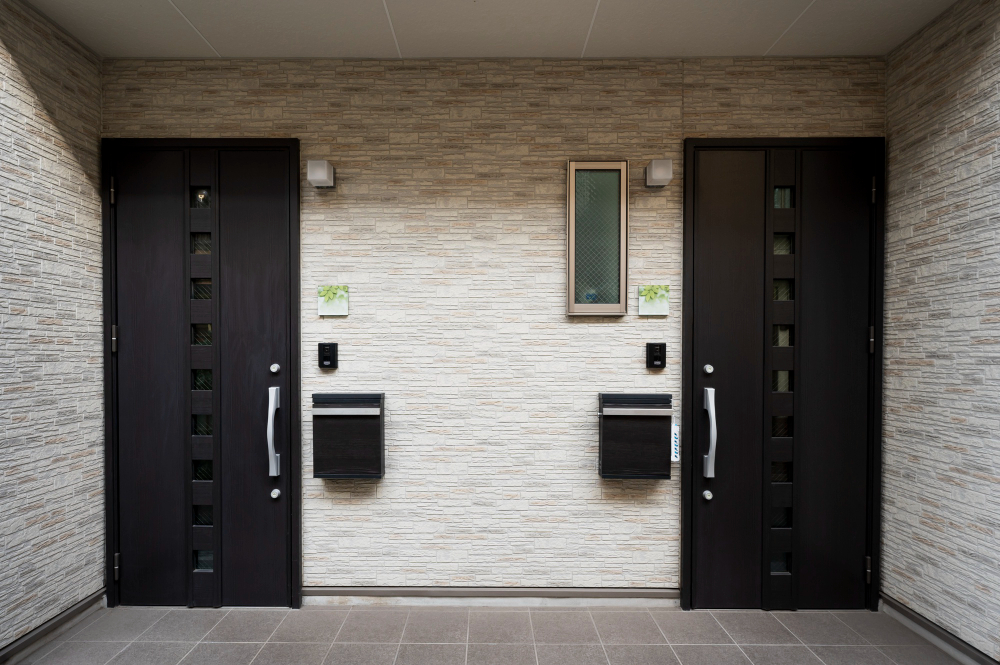
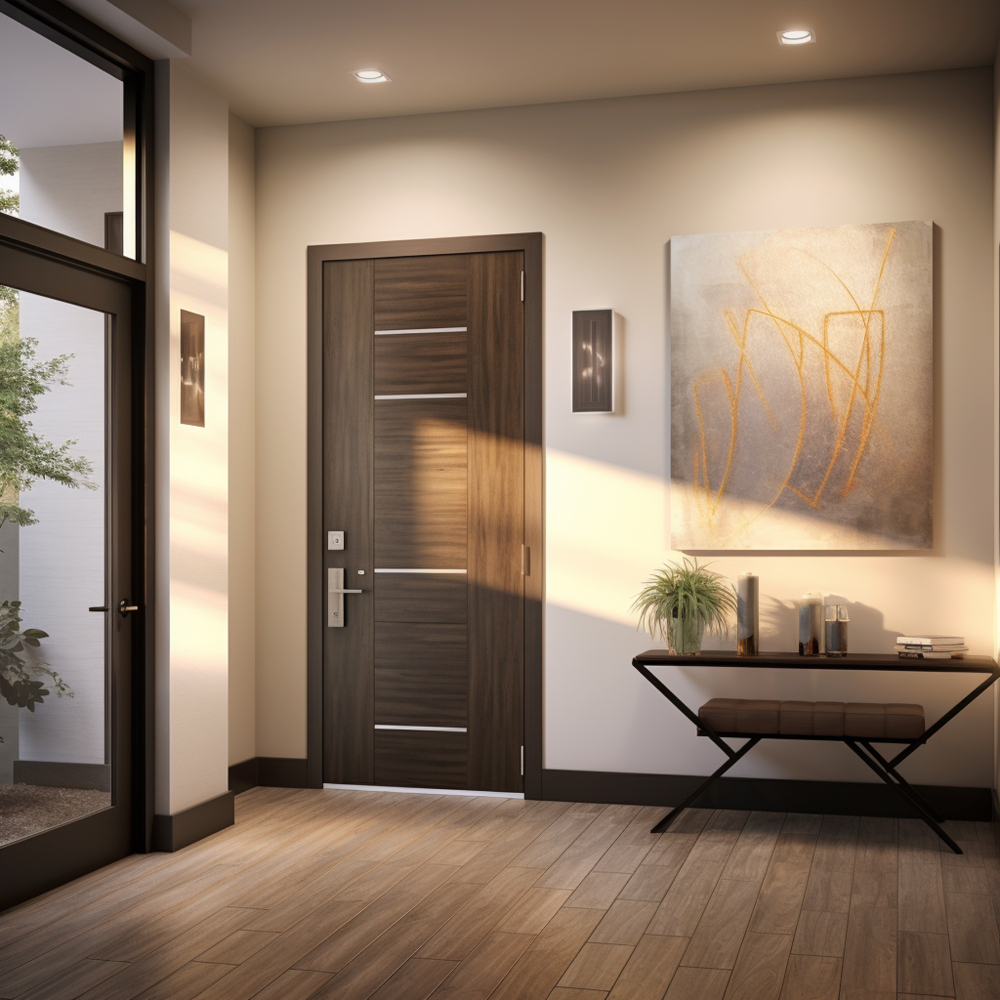
When planning a residential build, commercial fit-out, or large-scale development in Sydney, choosing the right internal and external doors is more important than many people realise. Doors play a key role in acoustics, privacy, durability, fire safety, and overall aesthetics. One of the most common decisions is choosing between a solid core door and a hollow core door, and understanding the differences can significantly impact performance.
If you’re comparing solid vs hollow core doors, this guide explains how they differ, where each option is best used, and how to select the right door for your project.
Understanding Solid Core Doors
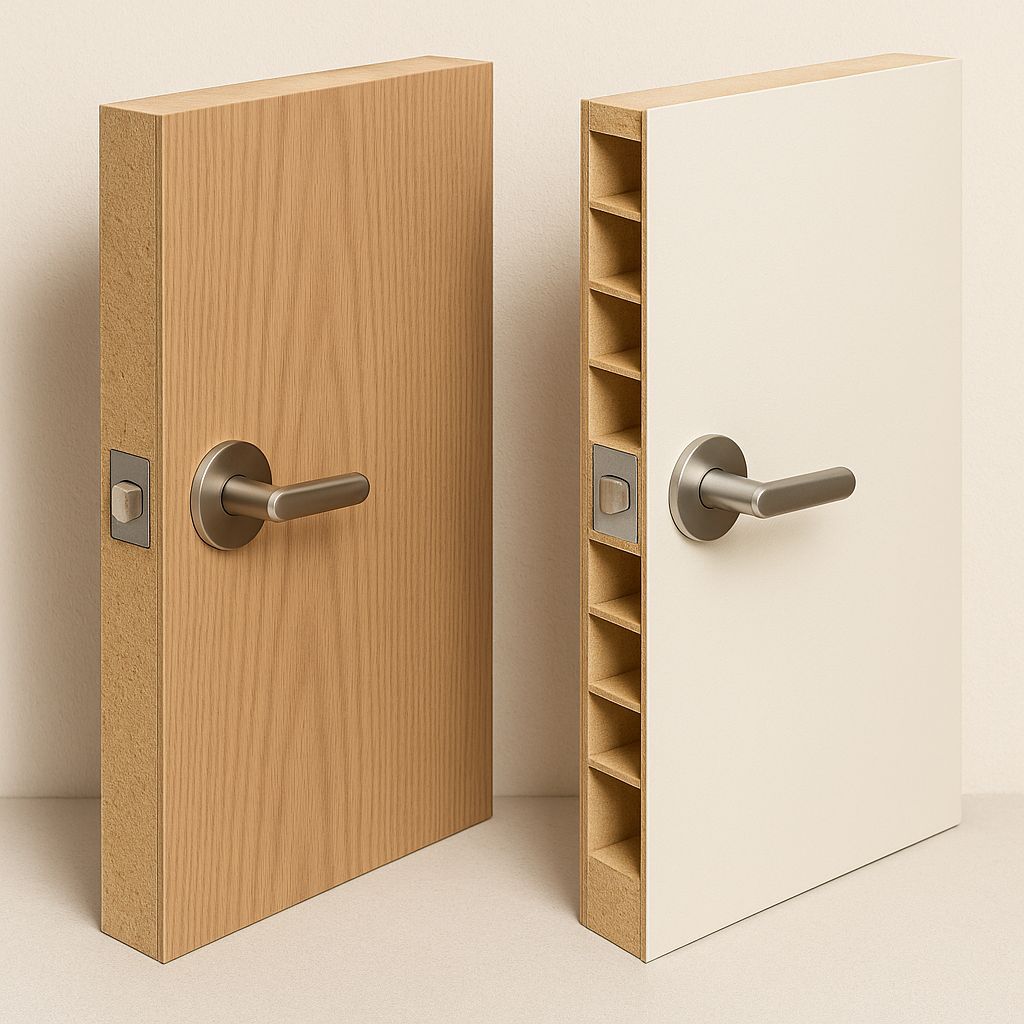
A solid core door is constructed using a dense core material, typically particleboard, MDF, or similar engineered substrate. These doors are known for their weight, strength, and more premium feel, making them a preferred choice for high-traffic commercial areas and high-end residential developments in Sydney.
Key Benefits of Solid Core Doors
- Better acoustic performance — the dense core limits sound transfer
- Improved fire resistance
- Enhanced durability and impact resistance
- Higher security and privacy
- Higher finish quality and improved structural rigidity
Because of these advantages, solid core door manufacturers often supply these doors for schools, hospitals, offices, hotels, and projects where long-term performance is essential.
Understanding Hollow Core Doors
Hollow core doors are lightweight, cost-effective options, typically constructed with a honeycomb or cardboard internal structure. They are commonly used for low-traffic areas or standard internal residential rooms.
Key Benefits of Hollow Core Doors
- Budget-friendly
- Easy to install due to their lightweight construction
- Suitable for simple interior applications
However, they lack the strength, soundproofing, fire resistance, and longevity of solid core alternatives.
Solid vs Hollow Core Doors — Main Differences
When comparing solid vs hollow core doors, several factors should influence your decision:
1. Durability
Solid core doors are significantly stronger and resist impacts far better. Hollow core doors may dent or deform more easily, especially in high-use environments.
2. Acoustic Performance
The dense core of a solid core door provides superior noise reduction. This makes them ideal for offices, bedrooms, hotel rooms, consulting rooms, and shared living spaces.
3. Fire Safety
Solid doors can be manufactured as fire-resistant doors, whereas hollow core doors cannot meet the same fire performance requirements. For any fire-rated system, both the door and door frames must be approved and tested.
4. Security
Solid doors are more secure due to their heavier construction and stronger lock engagement.
5. Cost
Hollow core doors are more affordable upfront, but solid core options offer greater long-term value due to durability and reduced maintenance.
6. Installation
Hollow core doors are lighter and easier to hang, while solid core doors require stronger hinges and professional installation, especially in commercial environments.
7. Aesthetic Quality
Solid core designs allow for higher-end finishes, including veneer, HPL, and decorative laminates. Hollow core doors typically have more basic finish options.
Where Each Door Type Is Best Used
Solid Core Doors — Ideal For:
- Hospitals & healthcare facilities
- Schools & universities
- Commercial buildings
- Multi-residential developments
- Hotels & serviced apartments
- High-traffic entry points
- Premium residential spaces
Hollow Core Doors — Suitable For:
- Low-traffic internal rooms
- Walk-in wardrobes
- Linen cupboards
- Budget-conscious home builds