
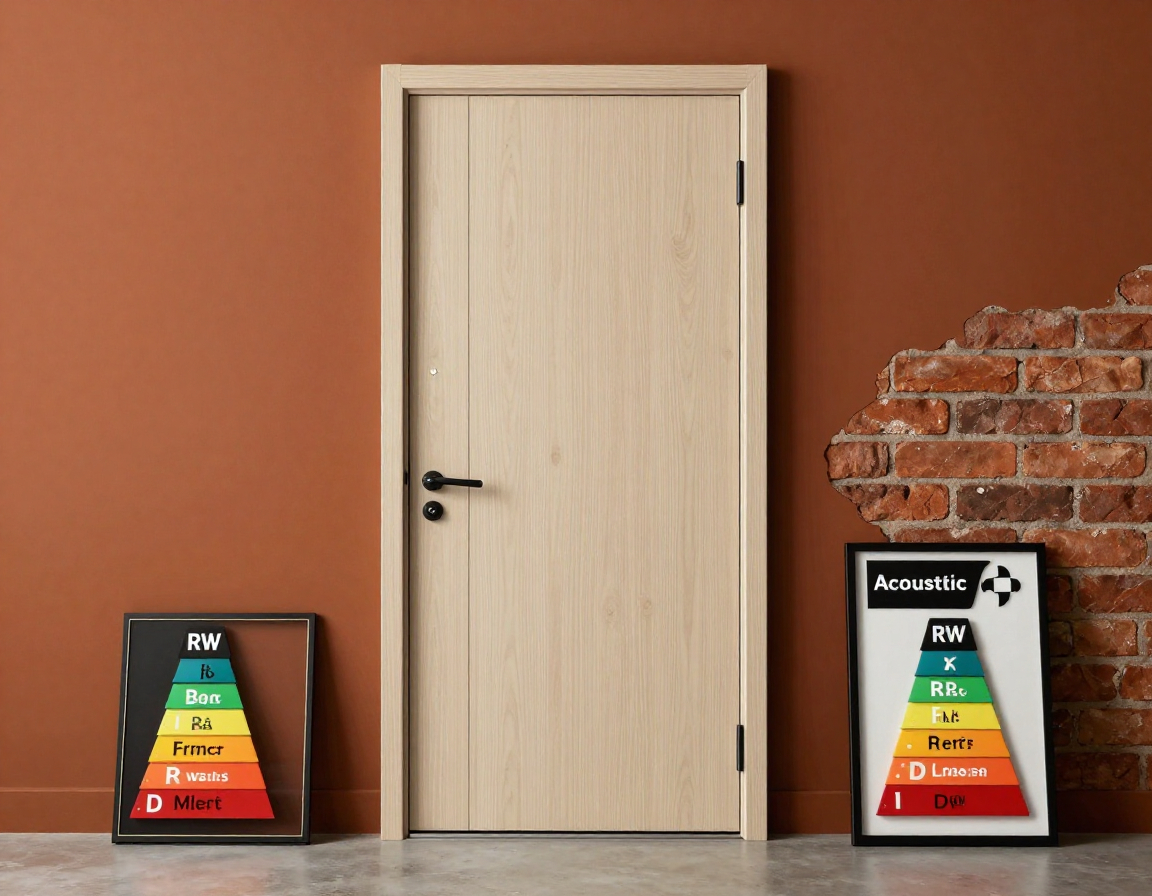
Noise control plays a critical role in how buildings function. From offices and schools to healthcare facilities and apartments, excessive noise can disrupt productivity, privacy, and comfort. Acoustic doors become essential in these environments, and at the centre of their performance is the RW rating.
For builders, architects, and project managers across Sydney, understanding what these acoustic performance metrics mean and how they affect real-world performance is key to selecting the right door solution. This guide explains the science behind sound reduction indices, the testing methodology, and why selecting the correct level matters for your project.
What Is an RW Rating?
An RW rating is a weighted sound reduction index that measures how effectively a door reduces airborne sound. It is expressed in decibels (dB) and calculated through laboratory testing in accordance with AS/NZS ISO 717.1.
In simple terms, the higher the acoustic value, the better the door is at blocking sound.
Typical performance ratings for acoustic doors range from:
- RW 35
- RW 40
- RW 45
- RW 48
Each increase represents a noticeable improvement in sound insulation.
How Acoustic Ratings Are Tested
These ratings are determined by testing how much sound passes through a door between two controlled spaces. The difference between the sound level on each side is measured across multiple frequencies, then weighted to produce a single acoustic index.
Key factors tested include:
- Door core density
- Door thickness and construction
- Frame fit and tolerances
- Seals and hardware configuration
This is why acoustic doors must be tested as a complete system, not just as individual components.
Understanding RW 35 to RW 48 Performance
RW 35: Standard Acoustic Control
Doors at this 35 dB level provide basic sound reduction and are suitable for:
- General offices
- Meeting rooms
- Classrooms
- Internal commercial spaces
They reduce everyday noise but may still allow louder sounds to be faintly heard.
RW 40: Enhanced Privacy
This 40-decibel specification offers improved acoustic separation and is often specified for
- Boardrooms
- Consulting rooms
- School administration areas
This level significantly reduces speech intelligibility through the door.
RW 45: High Performance Noise Control
Doors rated at 45 dB are designed for more demanding environments, such as:
- Medical consulting suites
- Hotel rooms
- High-end residential applications
At this level, normal conversation is largely inaudible.
RW 48: Maximum Acoustic Performance
The RW 48 specification represents top-tier acoustic performance and is typically used in
- Recording studios
- Performance spaces
- Sensitive healthcare and testing rooms
This performance tier offers exceptional sound isolation when paired with correct installation.
Choosing between RW 35 and RW 48 depends on privacy requirements, background noise levels, and building use.
Why the RW Rating Alone Isn’t Enough
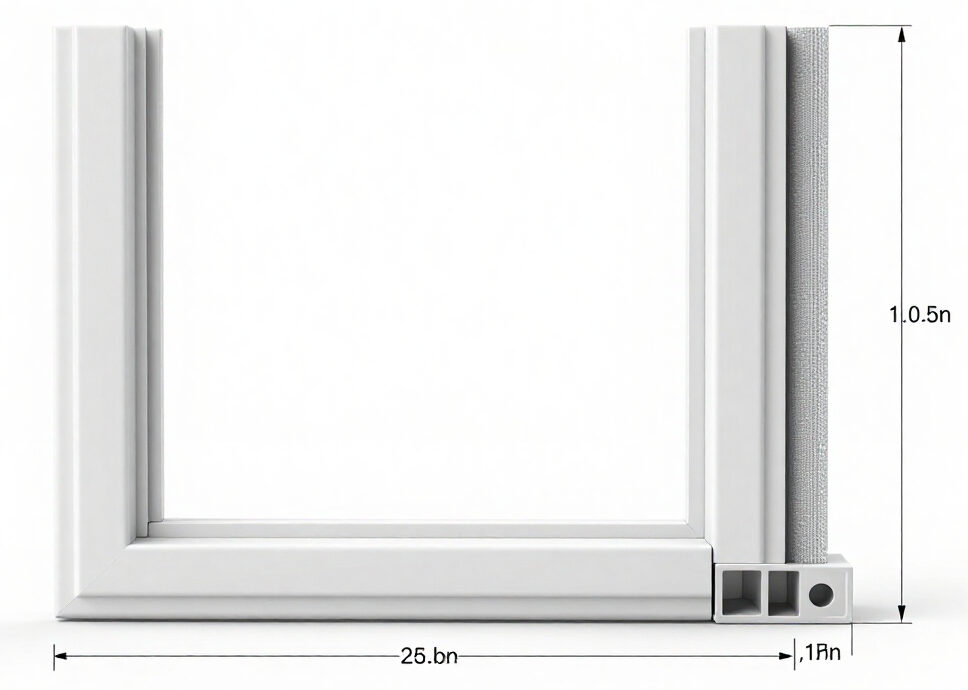
In practice, the RW rating of an acoustic door must be supported by correct installation, frames, and sealing to achieve its tested performance. Even the highest-rated door can underperform if gaps, frames, or hardware are incorrect.
Professional solid core door services ensure:
- Correct frame alignment
- Tight perimeter tolerances
- Proper sealing
- Consistent acoustic performance
This is why experienced suppliers and installers matter.
The Role of Door Cores and Construction
Higher acoustic performance typically requires:
- Dense solid or composite cores
- Multi-layer construction
- Increased door thickness
- Precision manufacturing
An experienced acoustic door manufacturer designs doors with these factors in mind, ensuring the laboratory-tested specification translates into real-world results.
Common Applications Across Sydney
Acoustically rated doors are widely used across Sydney in:
- Offices and commercial buildings
- Schools and universities
- Hospitals and healthcare facilities
- Apartments and mixed-use developments
- Studios and specialist environments
Selecting the appropriate acoustic level avoids under- or over-specifying, balancing performance and cost.
Compliance and Design Considerations
Sound reduction requirements are often specified by:
- Architects
- Acoustic consultants
- Building certifiers
Matching the required specification ensures compliance with design intent and avoids costly changes during construction or fit-out.