
Choosing the right door frame material is a critical decision in any construction project. Door frames endure daily wear, environmental conditions, and structural movement, particularly in commercial and industrial settings. For Sydney builders and project managers, the choice often comes down to zinc anneal versus galvanised steel door frames.
Both materials are widely used in Australian construction, but they offer different strengths depending on location, exposure, and performance requirements. Understanding how each performs helps protect your build, reduce maintenance costs, and extend doorway lifespan.
Why Door Frame Material Matters
Door frames provide structural support, alignment, and long-term stability for doors. Poor material selection can lead to corrosion, warping, or premature replacement, especially in high-traffic or moisture-prone environments.
When paired with quality doors and solid core door services, the right frame material ensures:
- Long-term durability
- Consistent door operation
- Compliance with project specifications
- Reduced ongoing maintenance
What Is Zinc Annealed Steel?
Zinc annealed steel is coated with a thin zinc layer that provides initial corrosion resistance and an excellent surface for painting. It is commonly used for internal door frames or protected environments.
Key Characteristics:
- Smooth surface ideal for paint finishes
- Moderate corrosion resistance
- Best suited for internal or low-exposure areas
- Cost-effective for controlled environments
These frames are popular in offices, apartments, and internal corridors where moisture exposure is minimal.
What Are Galvanised Steel Door Frames?
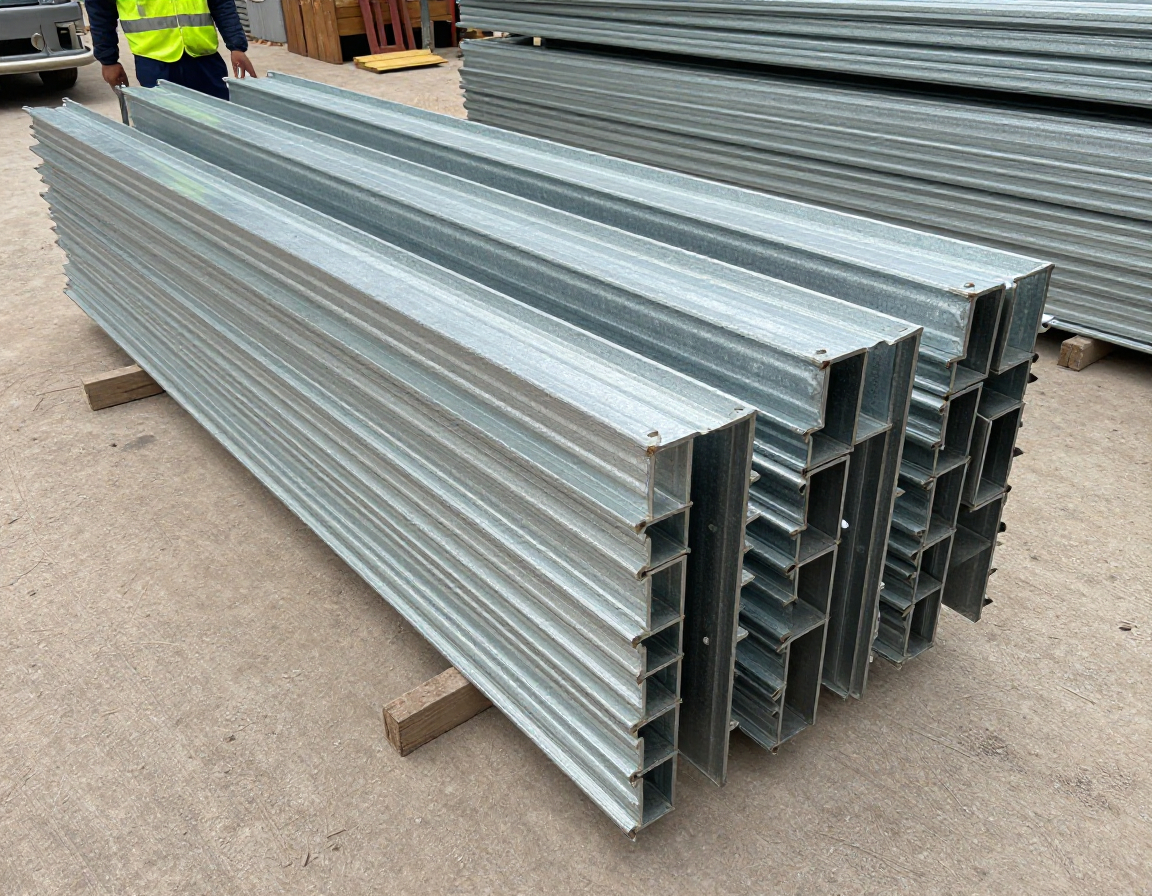
Galvanised steel door frames feature a thick zinc coating that offers superior corrosion protection, making them ideal for harsher environments.
Key Characteristics:
- High resistance to rust and corrosion
- Suitable for external and semi-external locations
- Strong performance in humid or coastal conditions
- Longer service life in demanding environments
For Sydney projects exposed to moisture, weather, or heavy use, steel frames with galvanised coating provide a clear durability advantage.
Zinc Anneal vs. Galvanised Steel: Key Differences
| Feature | Zinc Anneal Steel Frames | Galvanised Steel Door Frames |
| Corrosion resistance | Moderate | High |
| Best suited for | Internal, low-exposure areas | External, semi-external, high-moisture areas |
| Paint finish | Excellent paint adhesion | Requires surface prep for some coatings |
| Durability | Suitable for controlled environments | Long-lasting in harsh conditions |
| Maintenance needs | Moderate over time | Lower long-term maintenance |
| Typical use cases | Offices, apartments, internal corridors | Car parks, plant rooms, coastal and exposed builds |
Corrosion Resistance
Galvanised steel outperforms zinc anneal in environments exposed to moisture, salt air, or temperature fluctuations.
Finish Options
Zinc anneal is easier to paint, while galvanised steel may require surface preparation for certain finishes.
Application
Zinc anneal suits internal applications. Galvanised steel excels in car parks, plant rooms, external doorways, and coastal builds.
Longevity
Galvanised steel door frames typically offer a longer lifespan with less maintenance. For exposed or high-risk environments, galvanised steel door frames provide superior durability compared to zinc anneal alternatives.
Performance with Solid Core and Acoustic Doors
Frame material directly affects door performance. Galvanised steel door frames are often specified for projects involving:
- Solid core doors in high-traffic areas
- Doors supplied through professional solid core door services
- Acoustic doors supplied by an experienced acoustic door manufacturer
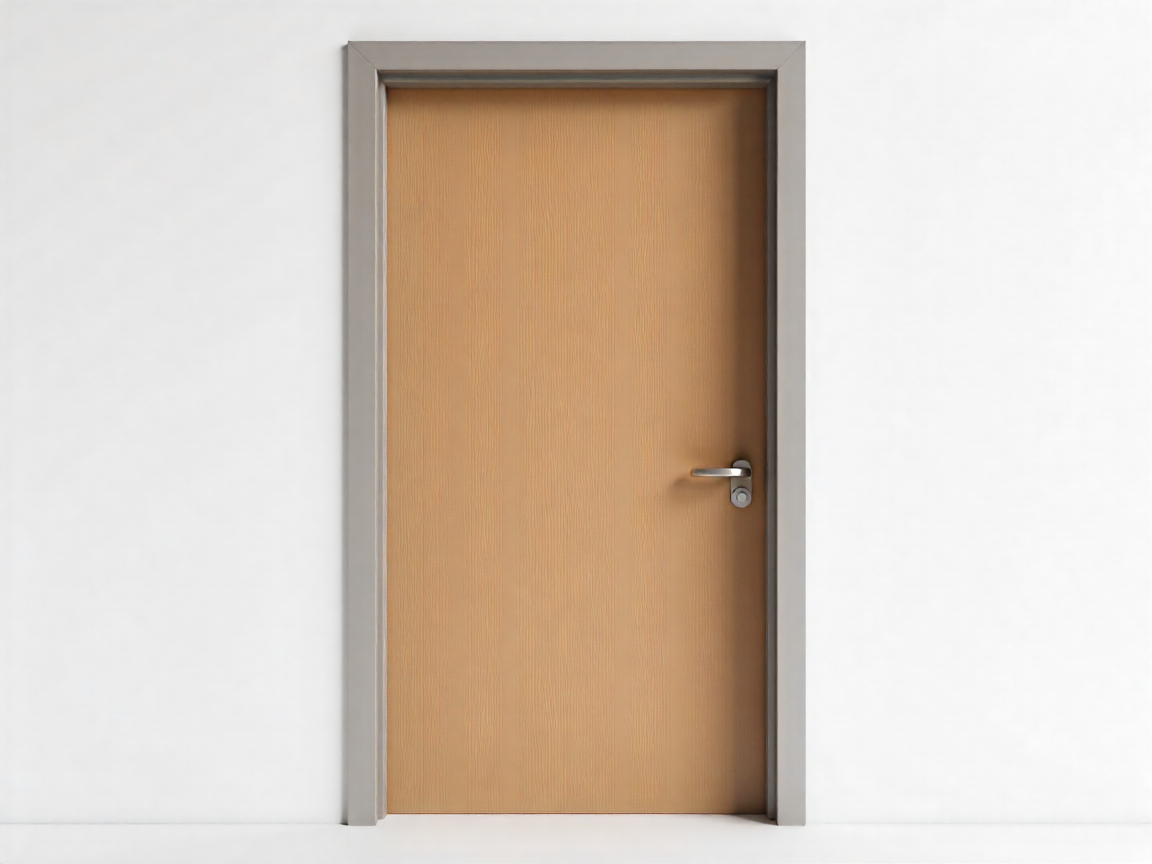
Heavier doors benefit from the added strength and stability of galvanised steel, ensuring consistent alignment and performance over time.
Sydney Conditions and Material Selection
Sydney’s climate includes coastal air, humidity, and seasonal rainfall. These factors accelerate corrosion, particularly in exposed or poorly ventilated areas.
For this reason, many builders now specify galvanised frames as standard for:
- External doorways
- Basement and car park access
- Industrial and commercial facilities
- Coastal residential developments
Zinc anneal remains a viable option for protected internal spaces.
Balancing Cost and Long-Term Value
While galvanised steel may have a higher upfront cost, its durability often delivers better long-term value. Reduced maintenance, fewer replacements, and improved performance can outweigh initial savings from zinc anneal frames.
Selecting the right material at the specification stage protects both the build and the budget.