
Noise control is one of the most important yet overlooked elements in modern building design. Whether you’re fitting out a corporate office, designing a school facility, or upgrading a healthcare environment, creating comfortable and functional spaces requires strategic noise management. This is where understanding how acoustic doors improve noise control becomes essential.
High-quality acoustic doors, manufactured by BF Door Manufacturing with precision, play a major role in improving privacy, reducing sound transfer, and enhancing overall user experience. For Sydney-based developers, architects, and facility managers, choosing the right acoustic solution can significantly improve productivity, comfort, and compliance.
Let’s explore why acoustic doors are becoming a standard requirement across commercial, education, and healthcare sectors.
1. Enhanced Privacy and Confidentiality
One of the biggest benefits of acoustic doors is their ability to maintain confidentiality in critical environments. Offices require privacy for meetings, HR discussions, and executive briefings. Schools need quiet spaces for counselling rooms, exam areas, and staff offices. Healthcare environments such as GP clinics, specialist consult rooms, and therapy spaces must protect patient privacy at all times.
Acoustic doors reduce noise transfer between rooms, ensuring sensitive conversations remain confidential, a crucial expectation in compliance-driven sectors.
2. Improved Concentration and Productivity
In workplaces and education settings, excessive noise contributes to stress, reduced concentration, and lower performance. Acoustic doors minimise external disturbance, creating a quieter environment where staff and students can focus.
For employers and facility planners, this benefit translates into:
- Better employee output
- Reduced distractions
- Enhanced learning outcomes
- More comfortable shared spaces
A sound-controlled environment often results in measurable productivity gains.
3. Higher Comfort for Patients and Visitors
In hospitals, clinics, and aged-care facilities, noise reduction is directly linked to wellbeing. Acoustic doors help reduce corridor noise, equipment sounds, and disruptions from adjacent rooms.
This leads to:
- Better rest and recovery for patients
- Reduced stress for families
- Improved working conditions for nurses and doctors
Given the sensitive nature of healthcare spaces, acoustic door solutions are often recommended by consultants and acoustic door manufacturers worldwide.
4. Better Acoustic Separation for Meeting Rooms and Classrooms
Meeting rooms, lecture theatres, staff areas, and breakout spaces often sit next to high-traffic corridors or open-plan sections. Acoustic doors prevent sound from travelling in or out, allowing meetings, lessons, and presentations to proceed without interruption.
In modern open-plan schools and workplaces, this separation is essential for effective collaboration.
5. Compliance with Building and Design Standards
Many Sydney-based projects must meet acoustic criteria under building codes, educational standards, or healthcare guidelines. Acoustic doors contribute to meeting these requirements, especially when paired with correctly installed door frame services and high-quality seals.
Failure to meet acoustic standards can lead to design variations, rework, and additional costs, all of which can be avoided with the right doorset selection.

6. Increased Property Value and Long-Term Appeal
Whether you’re developing a commercial site or a school campus, investing in acoustic performance adds tangible long-term value. Tenants, staff, and students benefit from a more comfortable environment, making the property more desirable and functional.
Acoustic upgrades often result in:
- Higher tenant satisfaction
- Fewer complaints
- Improved leasing appeal
- Enhanced building performance
7. A More Secure and Robust Door System
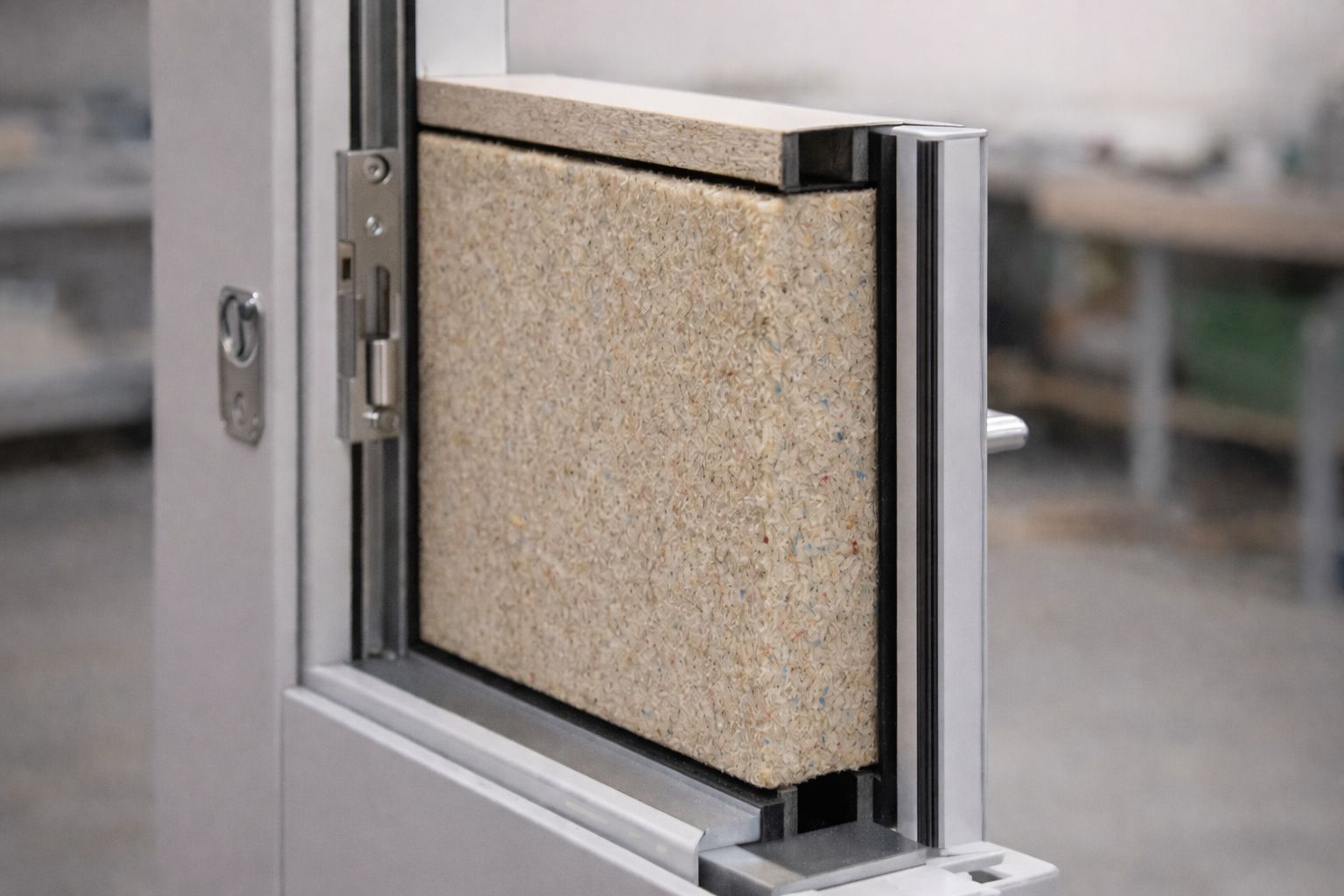
Acoustic doors are typically constructed using a dense core, which also makes them stronger, more stable, and more durable than standard doors. When paired with proper door frame services, they offer enhanced security and longevity.
This makes them ideal for environments where safety, resilience, and noise control intersect, such as labs, administration offices, libraries, and medical rooms.