
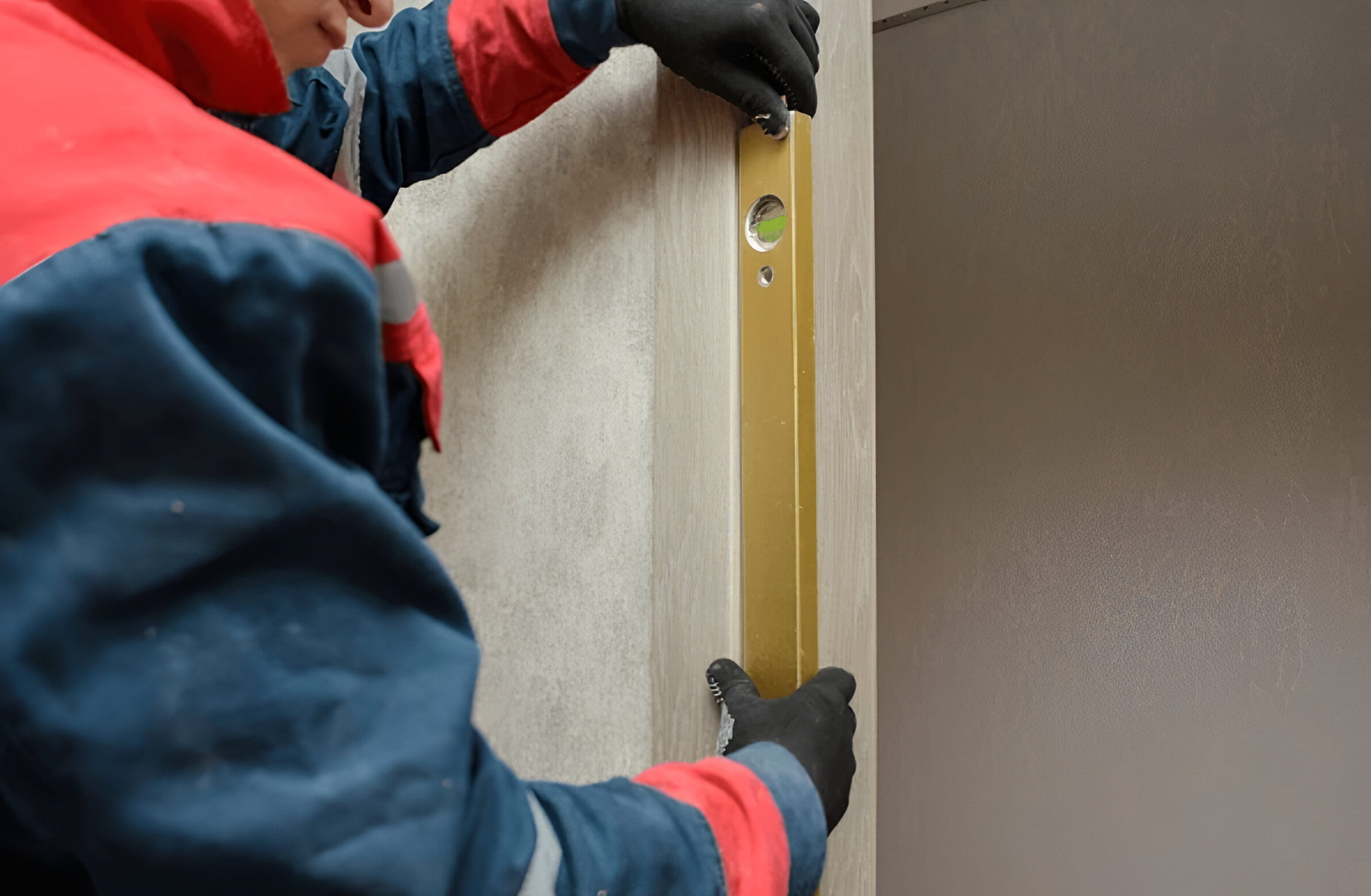
Commercial fire doors are one of the most important passive fire protection systems in any building. Designed to slow the spread of fire and smoke, they provide occupants with valuable time to evacuate safely while helping to protect property and minimise damage. However, like any frequently used building component, fire doors are exposed to daily wear and tear. Without regular inspections and timely fire door repair, even minor defects can compromise their performance and result in non-compliance with Australian Standards.
Across Sydney, building owners, facilities managers, strata managers and property managers are responsible for ensuring fire doors remain in good working condition. Ignoring damaged hardware, worn seals or misaligned doors can lead to failed inspections, increased safety risks and costly rectification work.
In this guide, we’ll explore the most common fire door repairs required in Sydney commercial buildings, explain why they occur, and discuss how regular fire door maintenance can help keep your building compliant.
Why Fire Door Repairs Matter
Fire doors are engineered and tested as complete systems. Every component, including the door leaf, frame, hinges, self-closing mechanism, locks, and smoke seals, plays a critical role in containing fire.
When one component fails, the entire fire door assembly may no longer meet Australian compliance requirements.
Timely fire door repair helps:
- Maintain compliance with Australian Standards
- Improve occupant safety
- Reduce the spread of fire and smoke
- Prevent expensive emergency replacements
- Extend the life of existing fire doors
Routine inspections often identify small issues before they become major safety concerns.
1. Damaged Door Leaves
The door leaf is one of the most frequently damaged parts of a fire door. In commercial buildings, constant traffic, moving equipment, and accidental impacts can leave dents, cracks, or holes.
Common causes include:
- Trolley impacts
- Forklift collisions
- Forced entry attempts
- General wear over time
Depending on the extent of the damage, a professional fire door repair may restore the door’s integrity. However, if the structural core has been compromised, replacement is usually the safest solution.
2. Faulty Door Closers
A self-closing mechanism ensures the fire door automatically closes after opening.
Common problems include:
- Slow closing
- Door slamming
- Door remaining open
- Hydraulic oil leaks
- Loose mounting screws
If a door fails to close completely, it cannot effectively contain smoke or fire during an emergency.
Professional fire door servicing ensures door closers are correctly adjusted and replaced where necessary.
3. Damaged Hinges
Fire doors rely on heavy-duty certified hinges to support their weight.
Over time, hinges may:
- Become loose
- Corrode
- Wear unevenly
- Cause the door to sag
Sagging doors often scrape against the floor or frame, preventing proper closure.
Qualified technicians carrying out fire door repair work can replace damaged hinges using approved hardware that maintains the fire rating.
4. Worn or Missing Smoke Seals
Smoke seals and intumescent seals are essential components of any fire door.
These seals:
- Expand during high temperatures
- Prevent smoke from spreading
- Improve occupant evacuation times
Common issues include:
- Missing seals
- Cracked seals
- Peeling adhesive
- Heat damage
Replacing damaged seals is one of the most common forms of fire door repair in commercial buildings.
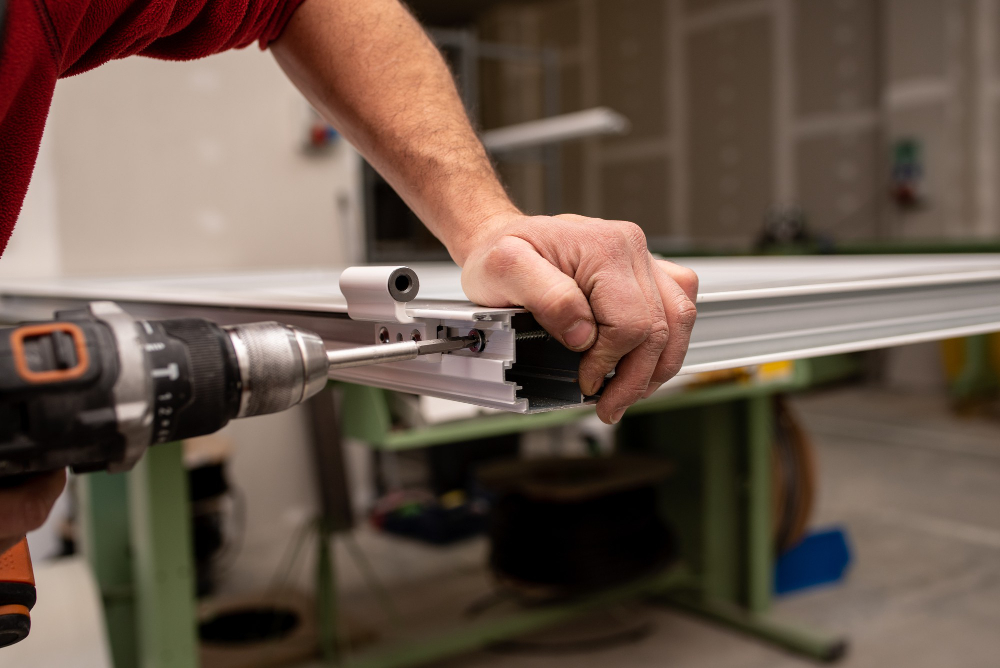
5. Misaligned Fire Doors
A fire door must fit correctly within its frame to perform as designed.
Misalignment may occur because of:
- Building movement
- Worn hinges
- Poor installation
- Heavy daily usage
Signs include:
- Uneven gaps
- Doors dragging on the floor
- Difficulty latching
- Excessive resistance when opening
Correct alignment is an important part of ongoing fire door maintenance and helps ensure compliance during inspections.
6. Damaged Door Frames
Although attention often focuses on the door itself, damaged frames are equally problematic.
Frame damage may result from:
- Vehicle impacts
- Moisture damage
- Corrosion
- Structural movement
Even a well-maintained fire door cannot perform correctly if the surrounding frame is compromised. Professional fire door restoration may be suitable for minor frame damage, while severe deterioration may require replacement.
7. Faulty Locks and Latching Hardware
Every fire door must latch securely after closing.
Common hardware issues include:
- Broken locks
- Worn latch mechanisms
- Loose strike plates
- Damaged panic hardware
Doors that fail to latch properly leave gaps that allow smoke and flames to spread quickly. Routine fire door servicing helps identify hardware issues before they become compliance failures.
8. Excessive Door Gaps
Australian Standards specify acceptable clearance gaps around fire doors.
Common causes include:
- Incorrect installation
- Building settlement
- Hinge wear
- Door warping
Even small gaps may allow smoke to pass through during a fire. Professional fire door repair often involves adjusting hinges, replacing seals, or reinstalling the door to restore correct tolerances.
9. Water Damage and Swelling
Sydney’s changing weather conditions and occasional plumbing leaks can expose fire doors to moisture.
Water damage may cause:
- Swelling
- Warping
- Delamination
- Surface deterioration
Moisture also weakens adhesives and damages internal components. Early fire door restoration can often prevent complete replacement if the structural core remains intact.
10. Unauthorised Modifications
One of the most overlooked causes of non-compliance is unauthorised alterations.
Examples include:
- Drilling additional holes
- Installing unapproved hardware
- Cutting ventilation openings
- Painting over certification labels
These modifications may invalidate the fire rating. A certified fire door repair specialist for Sydney buildings can assess whether repairs are possible or whether replacement is required.
The Importance of Regular Fire Door Maintenance
Preventative fire door maintenance is significantly more cost-effective than emergency repairs.
Regular maintenance allows qualified technicians to:
- Inspect door operation
- Test self-closing mechanisms
- Check smoke seals
- Tighten hinges
- Inspect locks and latches
- Measure door clearances
- Verify compliance labels
Many commercial buildings schedule annual or biannual maintenance to reduce compliance risks and prolong the life of their fire doors.
When Should You Repair Instead of Replace?
Not every damaged fire door needs replacing.
Repairs are generally suitable when:
- Damage is cosmetic
- Hardware can be replaced
- Smoke seals require renewal
- Door alignment can be corrected
- Hinges require adjustment
Replacement is often necessary when:
- The fire-rated core is damaged
- Certification has been compromised
- Severe structural damage exists
- Multiple components have failed
- Repairs cannot restore compliance
A qualified technician can determine the most appropriate solution following a detailed inspection.
Why Choose Certified Fire Door Professionals?
Fire doors are specialised safety systems that must comply with strict Australian regulations.
Choosing experienced professionals for fire door repair ensures:
- Approved replacement components
- Compliance with Australian Standards
- Correct installation techniques
- Detailed inspection reports
- Reliable workmanship
- Reduced liability for building owners
Working with qualified specialists also provides peace of mind that your building remains safe for occupants and visitors.