
Modern buildings are expected to do more than just look good. They must perform efficiently, remain comfortable year-round, and meet strict acoustic and fire compliance requirements. One of the most overlooked components in achieving this performance is architectural door seals.
While doors and frames often receive the most attention, it’s the gaps around a door leaf that allow sound, air, and smoke to escape. For builders, architects, and facility managers across Sydney, properly specified architectural door seals can dramatically improve both thermal efficiency and acoustic performance without major structural changes.
What Are Architectural Door Seals?
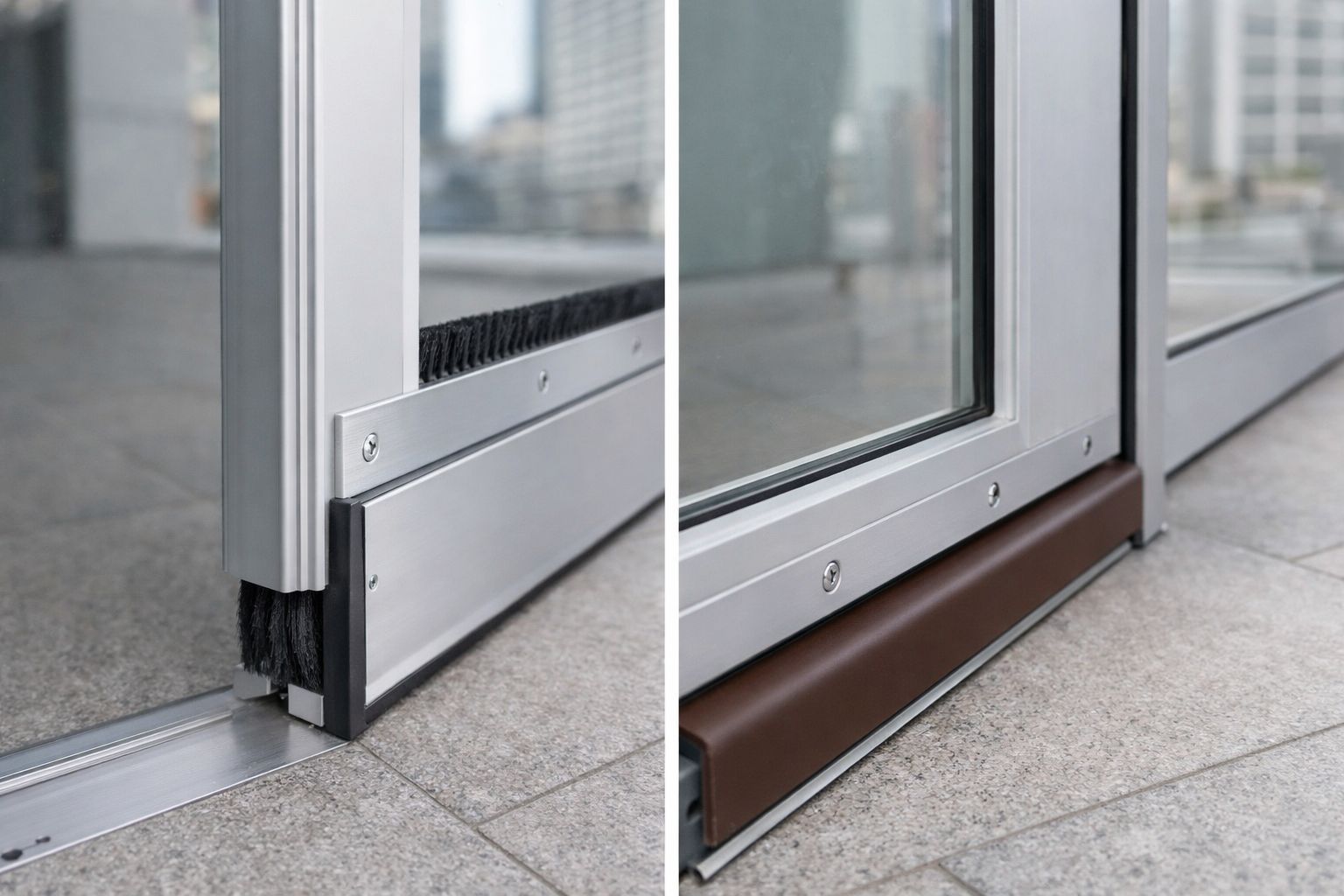
Architectural door seals are specialised sealing systems installed around the perimeter or base of a door to close air gaps between the door leaf and frame. These seals are designed to restrict the movement of air, sound, smoke, and, in some cases, fire.
They are commonly integrated into:
- Fire doors
- Acoustic doors
- Commercial and residential entry doors
- Doors with coordinated hardware
When correctly selected and installed, door seals enhance overall building performance.
Why Gaps Around Doors Matter
Even a small gap around a door can significantly reduce performance. Gaps allow:
- Noise transfer between rooms
- Heat loss in winter and heat gain in summer
- Dust and draughts to enter occupied spaces
- Smoke to spread rapidly during a fire
Architectural door seals address these issues directly by creating a controlled barrier while still allowing smooth door operation.
Improving Acoustic Performance with Door Seals
Acoustic doors rely on more than just a dense core. Without proper sealing, sound will travel through gaps around the door, regardless of the door’s rated performance.
Architectural door seals help to:
- Reduce airborne sound leakage
- Support RW-rated acoustic doors
- Improve speech privacy in offices and consulting rooms
- Enhance performance in schools, healthcare facilities, and apartments
When paired with properly installed acoustic doors and accurate door profiling, seals ensure the tested acoustic performance is achieved on-site.
Enhancing Thermal Efficiency and Comfort
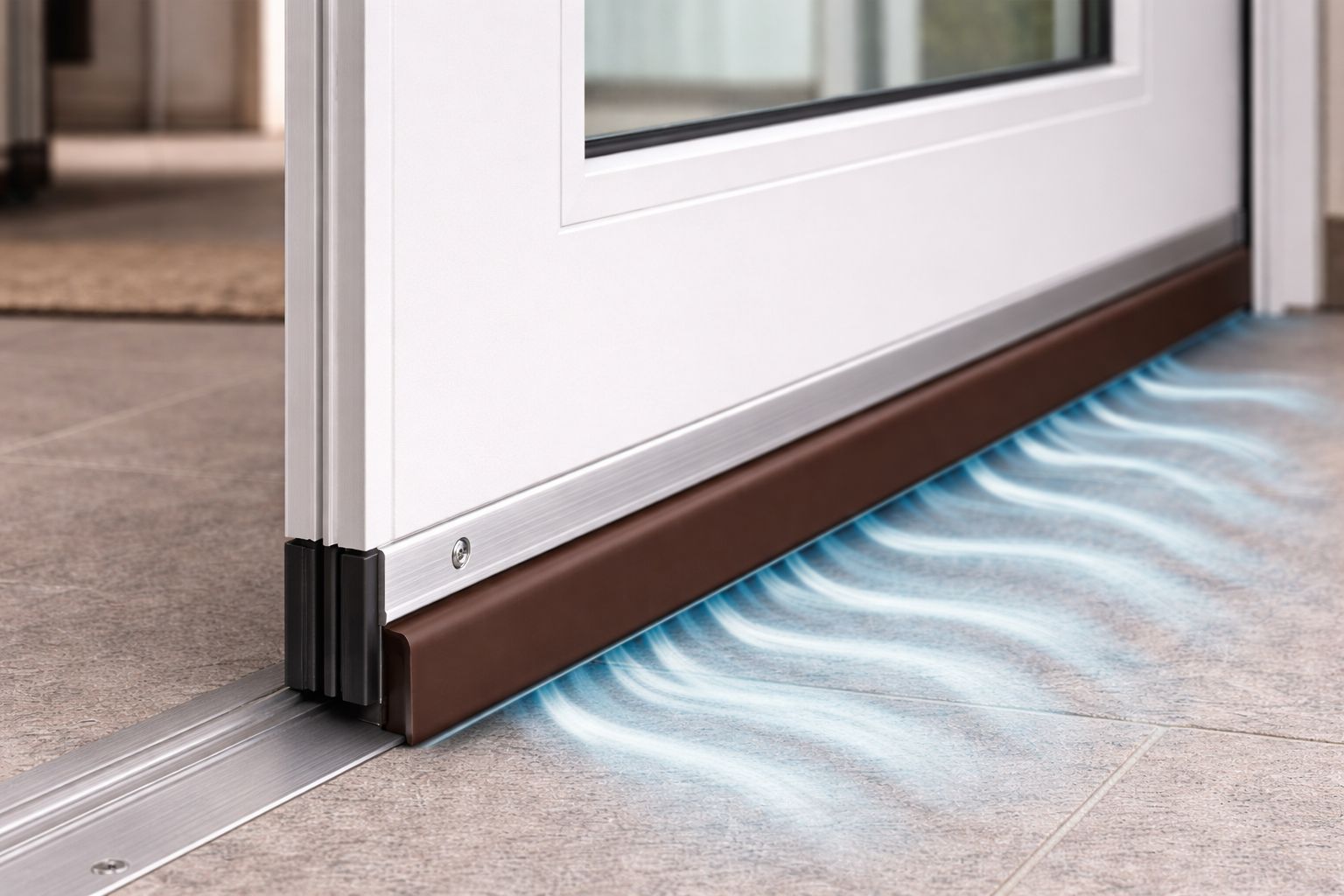
In Sydney’s variable climate, controlling air movement is essential for energy efficiency. Unsealed doors allow conditioned air to escape, increasing heating and cooling costs.
By installing architectural door seals, buildings benefit from:
- Reduced draughts
- Improved internal temperature control
- Lower energy consumption
- Increased occupant comfort
This is particularly valuable for entry doors, corridors, and air-conditioned commercial spaces.
Types of Architectural Door Seals
There are several types of seals used in modern construction, each suited to different applications.
Perimeter Seals
Installed around the door frame to seal the head and jambs, commonly used on fire and acoustic doors.
Drop Seals
Automatically lower when the door closes, sealing the gap at the threshold without dragging on the floor.
Smoke and Intumescent Seals
Used with fire doors to restrict smoke spread and expand under heat to maintain fire compartmentation.
Threshold Seals
Fixed seals at floor level are often used where drop seals aren’t suitable.
The correct seal type depends on door function, compliance requirements, and usage patterns.
The Role of Door Hardware and Frames
Architectural door seals work best when integrated with compatible door hardware and properly installed metal door frames. Misalignment, warped frames, or incorrect hardware positioning can prevent seals from compressing evenly.
Professional installation ensures:
- Consistent seal contact
- Smooth door operation
- Long-term durability
- Compliance with fire and acoustic requirements
This integrated approach is essential for reliable performance.
Compliance and Performance Considerations
Door seals are often required to meet Australian Standards when used on fire doors or acoustic doors. Selecting compliant products ensures:
- Smoke containment during emergencies
- Fire door system integrity
- Acoustic performance consistency
- Successful inspections and certifications
Engaging experienced suppliers early helps avoid costly retrofits later.
A Small Detail with Big Impact
Architectural door seals might be a relatively small component, but they play a major role in how a building performs. From energy efficiency and comfort to privacy and safety, seals deliver measurable benefits across residential and commercial projects.