
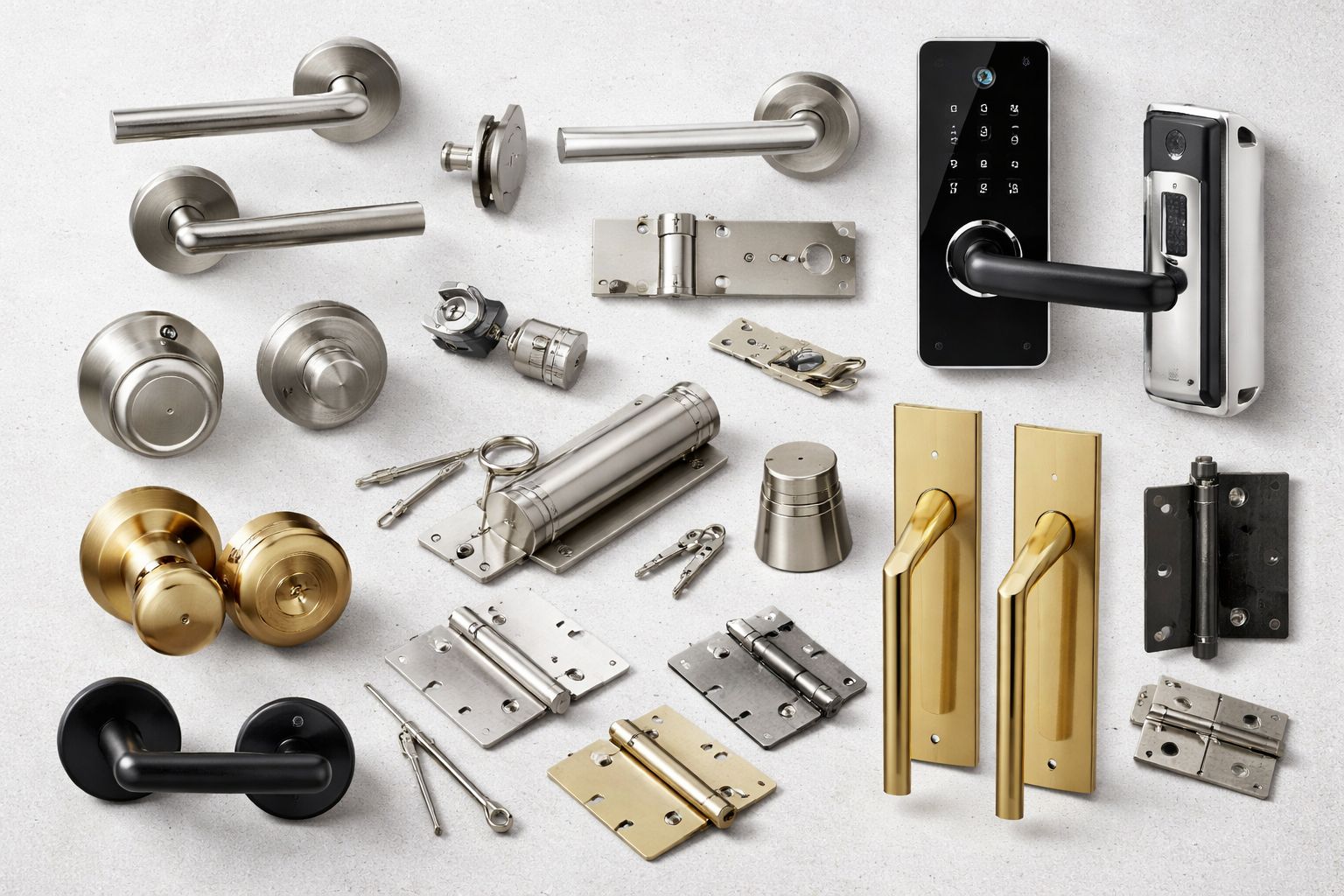
Door hardware plays a crucial role in the durability, function, and security of any building. Whether you’re working on a commercial fit-out, residential development, or government facility, choosing the correct components ensures the door operates safely and performs as intended. BF Door Manufacturing helps you understand the different types of door hardware available and their appropriate applications, helping builders, architects, and facility managers make informed decisions.
High-quality hardware also enhances longevity, safety, and compliance, particularly when combined with professional door frame services and trusted hardware preparation. This guide covers the most essential hardware types, their applications, and why selecting the right products matters.
1. Mechanical Locksets
Mechanical locksets are the most common form of door locking hardware. These include entrance sets, privacy sets, passage sets, and commercial-grade mortice locks. They are ideal for:
- Office entry doors
- Internal commercial doors
- Residential bedrooms and bathrooms
- Schools and public buildings
Mortice locks, in particular, offer superior durability and are often recommended by professional door hardware suppliers for high-traffic areas.
2. Digital and Electronic Locking Systems
Electronic locking solutions have become increasingly popular in Sydney commercial developments, hotels, medical facilities, and smart homes.
Common options include:
- Keypad locks
- RFID/swipe card locks
- Bluetooth and Wi-Fi smart locks
- Biometric (fingerprint) locks
These locks provide enhanced access control, audit trails, and convenience. They integrate extremely well into modern security systems and are perfect for environments where traditional keys are difficult to manage.
3. Door Closers
Door closers regulate the speed and force with which a door shuts. They are essential for safety, accessibility, and compliance, especially for fire doors.
You will typically find door closers in:
- Fire stairwells
- Apartment building corridors
- Office doors
- Schools and university buildings
They ensure the door closes securely after each use, maintaining fire separation and acoustic control.
4. Hinges and Pivots
Hinges support the door’s weight and allow it to swing smoothly. Pivots are used for heavier or oversized doors.
Common hinge types include:
- Ball-bearing hinges
- Fixed pin hinges
- Lift-off hinges
- Fire-rated hinges
- Continuous hinges
Choosing the wrong hinge can lead to sagging doors, misalignment, and premature hardware failure. Solid doors and commercial doors often require heavier-duty hinge systems.
5. Strikes, Latches, and Deadbolts
These components work with locksets to keep the door securely closed. Stronger latching systems are critical in high-security or high-traffic environments.
Applications include:
- External commercial doors
- Healthcare buildings
- Residential entry points
- Security rooms or restricted areas
Correct striker height and alignment are crucial — often determined during professional door frame services.
6. Door Stops and Holders
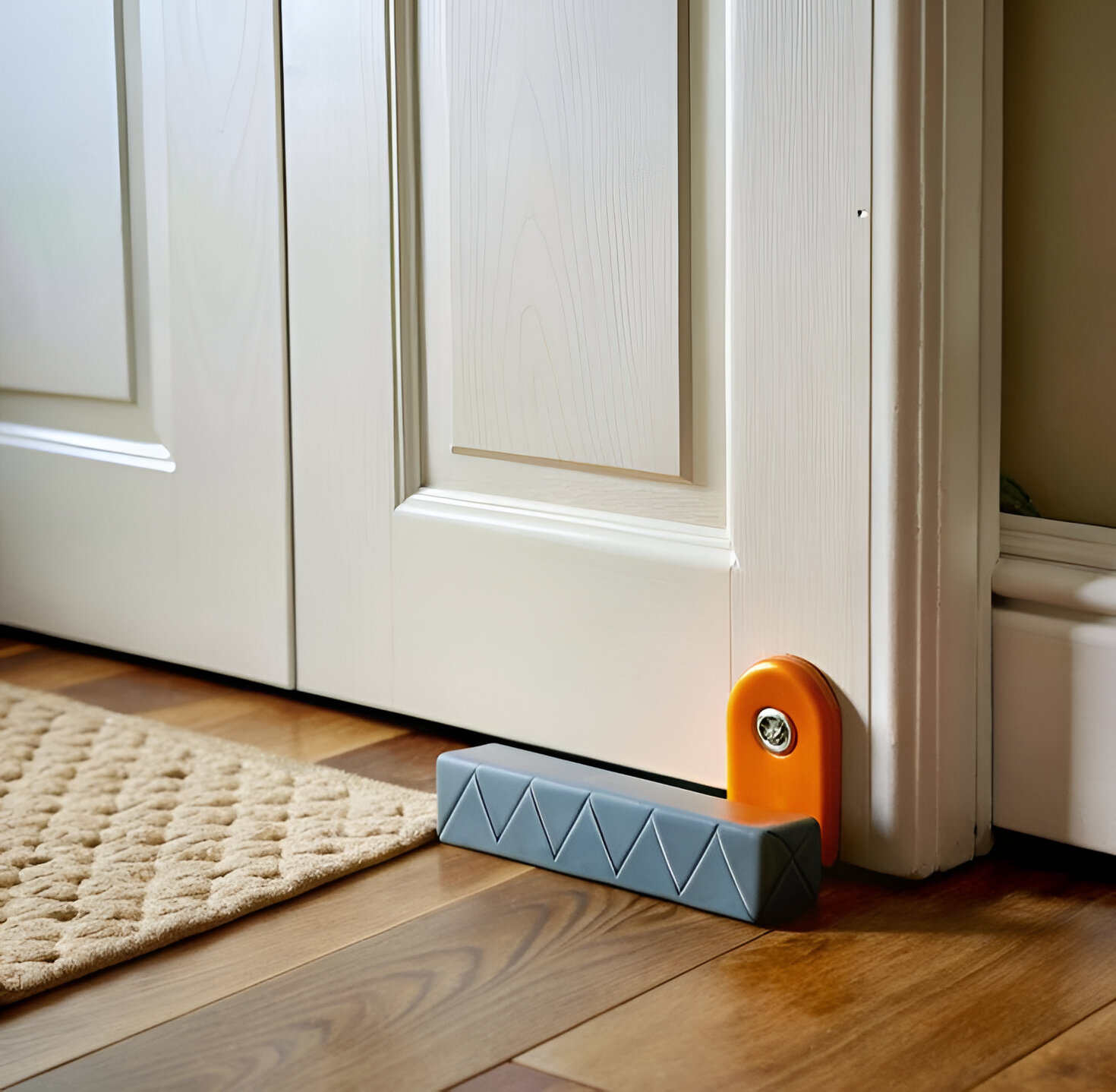
These accessories prevent damage by stopping doors from swinging too far. They protect walls, locks, and hinges.
Door stops are commonly installed in:
- Offices
- Apartment units
- Commercial foyers
- Classrooms
- Retail fitting rooms
Magnetic door holders or hold-open devices are used in fire systems and must comply with fire regulations.
7. Architectural Seals
Seals improve the fire, acoustic, and energy performance of a door. These include:
- Smoke seals
- Acoustic seals
- Fire-rated perimeter seals
- Draught excluders
- Drop seals
Acoustic seals are particularly important in boardrooms, classrooms, and clinical environments where privacy and clarity matter.
Why Choosing the Right Door Hardware Matters
Hardware influences far more than aesthetics. The types of door hardware you select affect safety, compliance, user experience, and lifecycle cost. When sourced from reputable door hardware suppliers and paired with precise installation, hardware ensures:
- Smooth door operation
- Extended service life
- Improved fire safety
- Enhanced acoustics
- Better access control
- Reduced maintenance issues
The best hardware solutions are always chosen based on door weight, usage frequency, site conditions, and compliance requirements.