
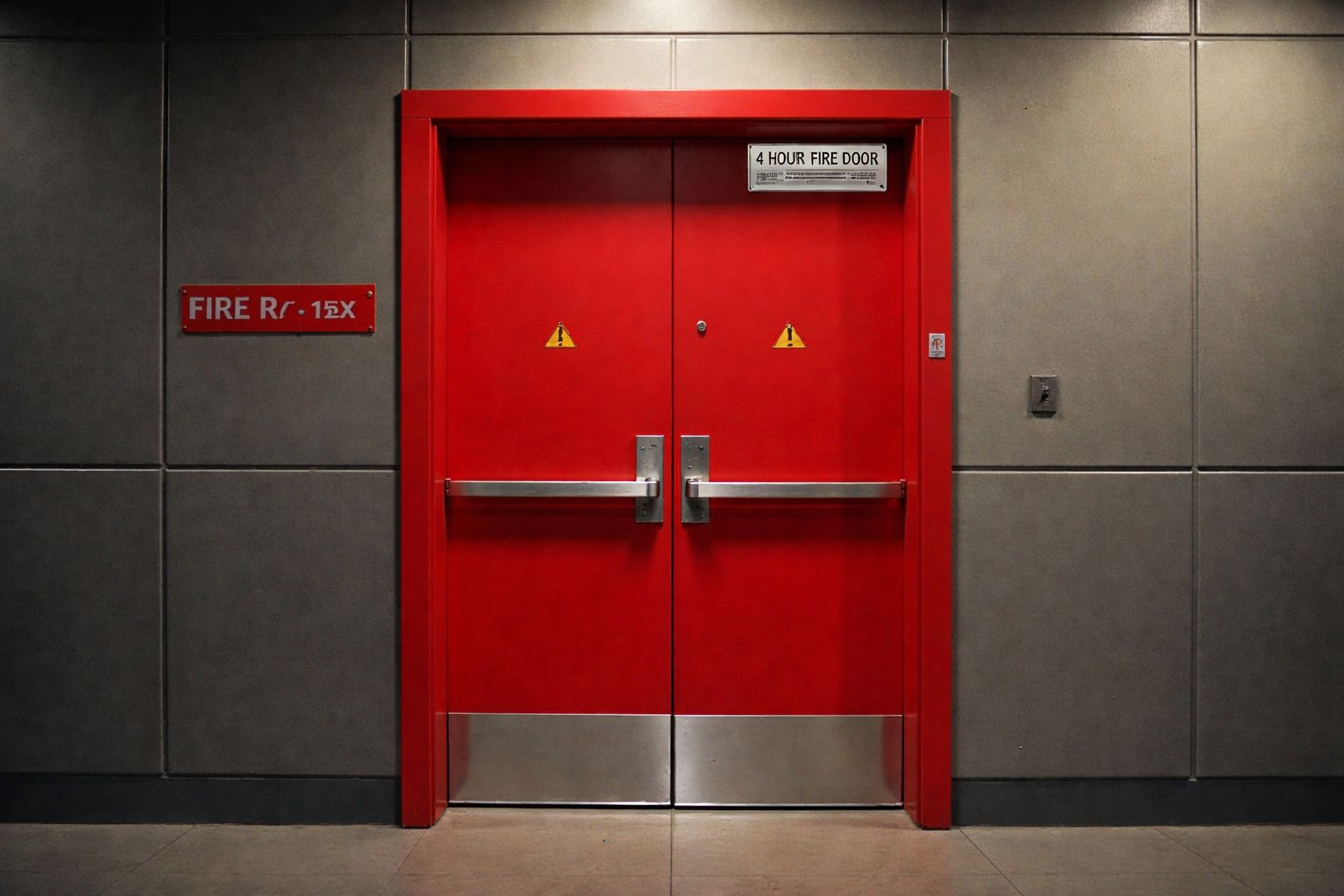
Fire safety is one of the most critical considerations in modern building design, and understanding when a 4-hour fire rating is required can make the difference between compliance and serious risk. Whether you’re constructing a commercial tower, upgrading a healthcare facility, or managing a strata project, selecting the correct fire door core has a direct impact on safety, compliance, and long-term performance.
Understanding the difference between fire ratings, how door cores perform, and when a 4-hour fire rating is specified will help ensure your project meets Australian Standards and delivers the required level of protection.
What Do Fire Door Ratings Mean?
Fire door ratings indicate how long a door assembly can withstand exposure to fire while maintaining its integrity and insulation performance. Ratings are determined through testing under AS 1530.4 and installed in accordance with AS 1905.1.
Common fire door ratings include:
- 1-hour fire rating
- 2-hour fire rating
- 3-hour fire rating
- 4-hour fire rating
The higher the rating, the longer the door is designed to resist fire and smoke spread.
Understanding 1-Hour Fire-Rated Door Cores
A 1-hour fire door core is designed to contain fire for up to 60 minutes. These doors are typically used in lower-risk or less critical fire compartments.
Typical Applications
- Internal fire corridors
- Apartment entry doors
- Office partition walls
- Low-rise commercial buildings
A 1-hour rating may be appropriate where evacuation times are shorter and fire loads are lower. However, it must still be installed as part of a compliant doorset, including certified frames and hardware supplied by a reputable fire-rated door manufacturer.
What Is a 4-Hour Fire Rating?
A 4-hour fire rating represents the highest level of fire resistance typically specified for doors. These doors are engineered to withstand extreme heat for up to four hours, providing extended protection in high-risk environments.
To achieve a 4-hour fire rating, doors are manufactured using high-density refractory cores such as vermiculite monolithic boards, combined with robust construction and fire-tested components.
When Is a 4-Hour Fire Rating Required?
This level of extended fire resistance is commonly specified in environments where fire risk is high, evacuation times are longer, or asset protection is critical.
Common Applications
- Fire-isolated stairwells in high-rise buildings
- Plant rooms and electrical substations
- Industrial facilities
- Hospitals and healthcare infrastructure
- Infrastructure projects and public buildings
In these settings, extended fire resistance provides additional time for evacuation and emergency response.
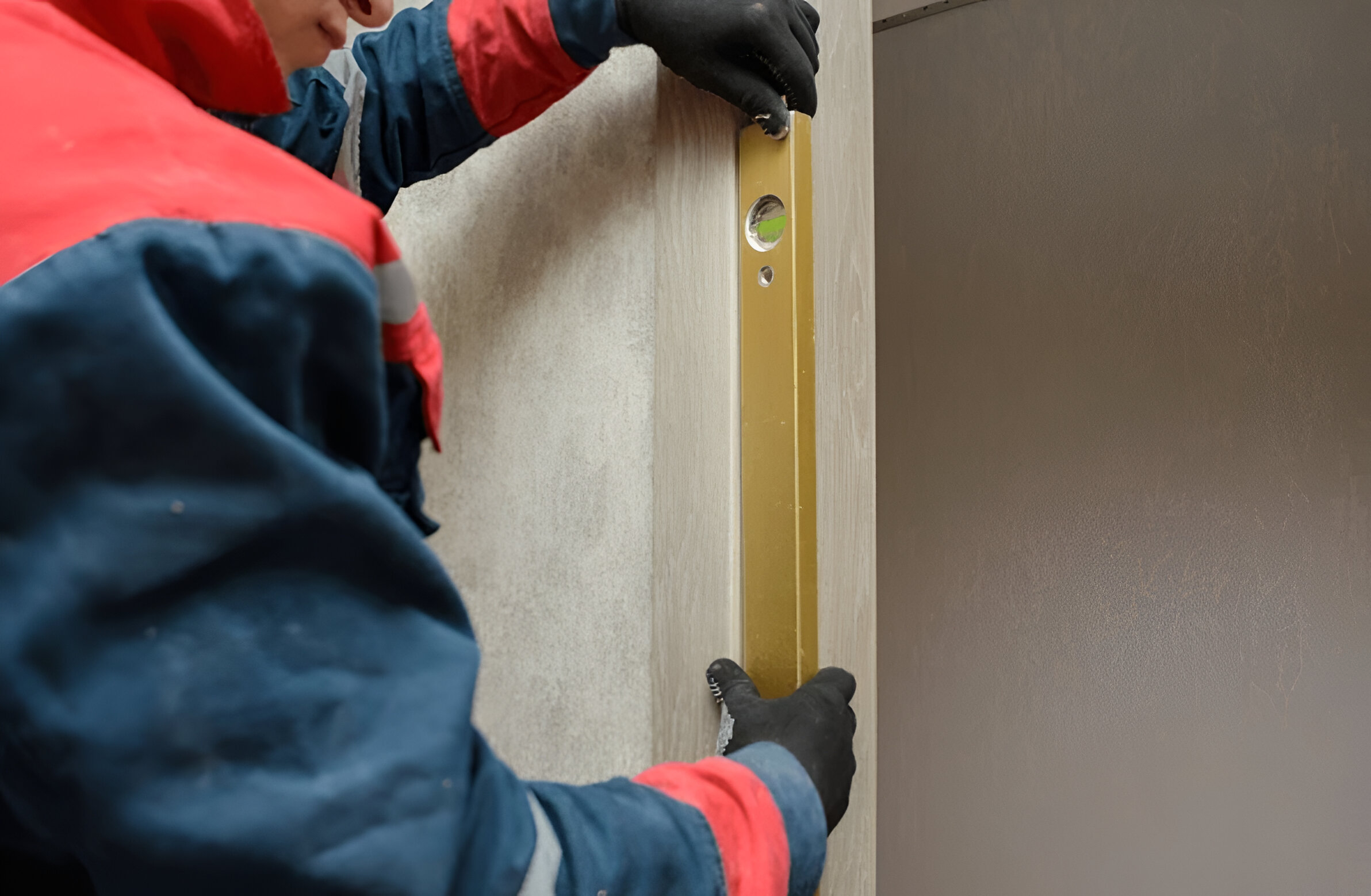
The Importance of Door Frames and Installation
Regardless of the fire rating selected, performance depends heavily on correct installation. Even the best door core can fail if installed incorrectly.
Professional door frame services ensure:
- Correct wall compatibility (masonry, blockwork, or stud walls)
- Accurate fixing and packing
- Compliance with allowable gap tolerances (maximum 3 mm)
- Integration with fire-rated hardware and seals
A compliant fire door is always a complete system — not just a door leaf.
Choosing the Right Core for Your Project
When deciding if a 4-hour fire rating is required for your project, consider the following factors:
- Building height and classification
- Fire compartment size
- Occupant load and evacuation requirements
- Fire engineer specifications
- Local authority and NCC requirements
Consulting early with a qualified fire-rated door manufacturer helps ensure the correct core is selected and avoids costly rework later.
Why Higher Ratings Don’t Always Mean Better
While a 4-hour fire rating offers maximum protection, it is not always required. Over-specifying can increase cost and lead time unnecessarily. The correct approach is to match the fire rating to the building’s risk profile and compliance requirements.
A balanced specification ensures safety, efficiency, and regulatory approval.